Introduction
I spent my second-year summer as an SDE Intern at Jio Platforms Limited, working on backend and systems problems in a real production setup. This blog covers what I worked on, how the experience shaped my thinking, and what actually changed for me during those two months.
Organization and Environment
Jio builds and operates large-scale digital platforms across telecom, cloud, and data services, where systems are designed to handle real-world usage at scale.
The environment is strongly engineering-driven, with supportive mentors, leads, and peers. Learning happens through actual work, with exposure to real systems and large-scale problems, while maintaining a balance between guidance and ownership. There was also a strong emphasis on security, with strict controls around access to production systems and development environments, especially for the interns.
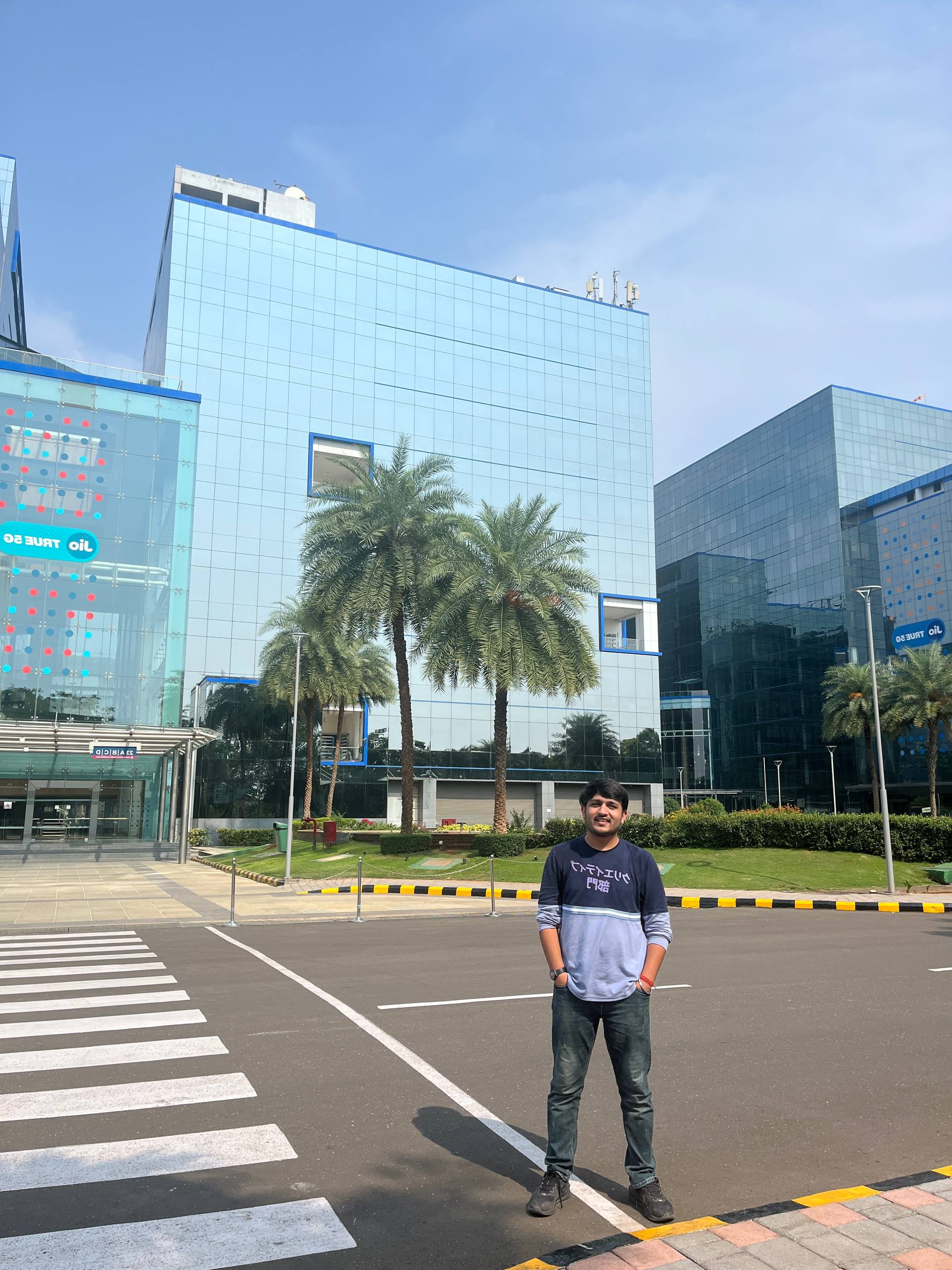
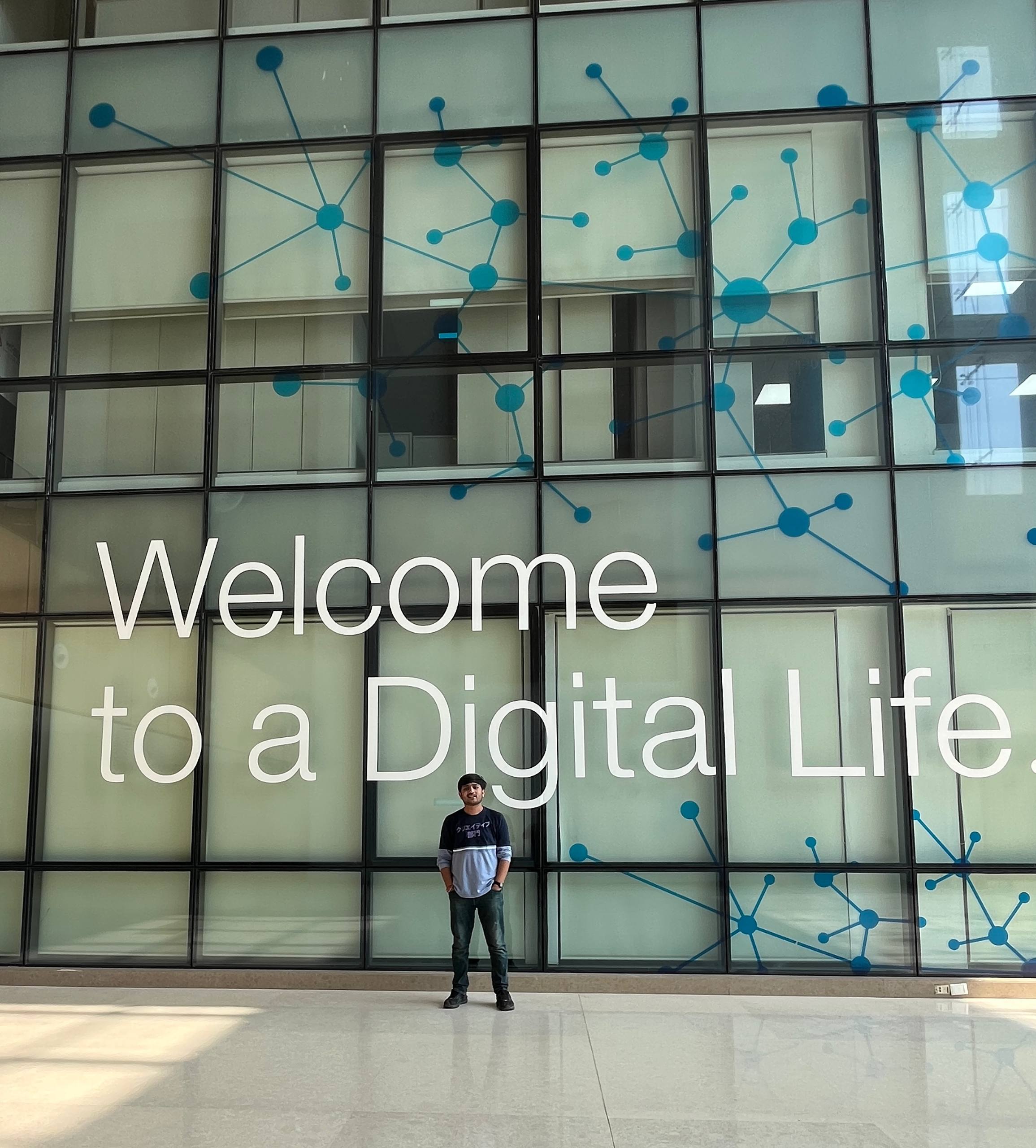
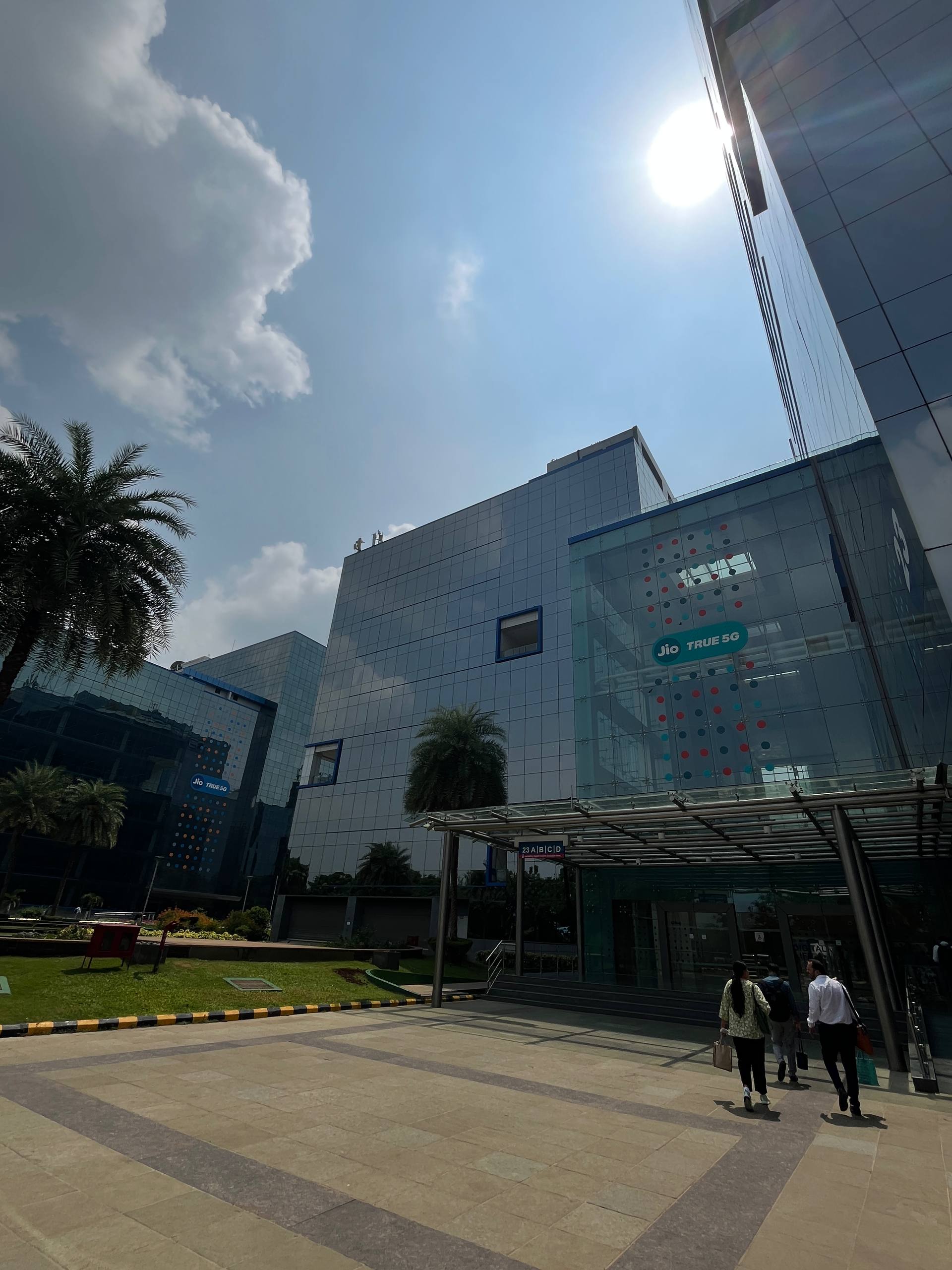
I was based at their national headquarters in Navi Mumbai, which also has a really well-designed, beautiful, and green campus, and honestly, it was one of the best parts of the experience.
Background and Application
I was looking for an opportunity to move beyond structured problem solving and work on real-world software systems, with a focus on backend development, distributed systems, and building for scale.
I applied through an off-campus process with a referral. This was followed by resume shortlisting and matching, a short call covering both non-technical and technical discussion, and a simple application-based test. I then received the offer for the SDE Intern role.
Internship Overview and Work Breakdown
During the internship, I worked on systems related to Jio’s Network Instrumentation Platform (NIP), a large-scale telemetry system designed to capture, process, and analyze network packet data for observability, debugging, and performance analysis across telecom infrastructure.
As part of a C++ and distributed systems team, I worked on components aligned with a soft parser microservice, a critical layer in the pipeline responsible for transforming raw packet data into structured, usable formats for downstream systems.
The work progressed from building low-level understanding to implementing a working system that mirrors a production-grade microservice.
Phase 1: Foundations and System Context
The internship began with a strong focus on systems fundamentals. This included deep work in C/C++, covering memory management, pointers, multithreading, and socket programming.
Alongside this, I worked on understanding networking fundamentals such as TCP/IP, HTTP protocol, and how client-server communication works at a low level. I also explored Boost libraries (Asio and Beast) to build HTTP client-server systems that handle requests, responses, and JSON payloads.
A key takeaway from this phase was understanding how low-level programming concepts directly impact performance and behavior in real systems, especially when dealing with concurrency and network I/O.
Phase 2: Data Processing, Distributed Systems, and Parsing
The focus then shifted to how large-scale systems process and move data. I explored distributed system components such as Kafka, HDFS, and gained working exposure to Spark and Elasticsearch in the context of data pipelines.
I implemented producer-consumer pipelines using librdkafka (C++ Kafka API), where JSON-based messages were consumed, processed, and produced back into the system. For parsing, I used simdjson, a high-performance JSON parser optimized for speed and efficiency.
Alongside this, I worked at the lowest level of data by handling PCAP files, reading raw packet data as binary and decoding protocol-level information such as timestamps, MAC addresses, EtherType, and IP fields.
The extracted data was then transformed into structured JSON using libraries like nlohmann/json, along with additional logic such as identifying and extracting specific fields like externalID (specific to IoT-based networks).
This phase helped bridge the gap between raw data and structured information, which is a core requirement in telemetry systems.
Phase 3: System Understanding and Domain Context (NIP)
With the individual components understood, the next step was to study the actual system architecture of NIP in more depth and how they fit into a real production system.
Understanding how each component interacts helped contextualize the work I was doing and made it clear how data flows across multiple components, how different services interact, and how design decisions affect reliability and performance.
This shift from working on isolated modules to thinking in terms of complete systems was one of the most important transitions during the internship.
Phase 4: Building a Soft Parser Microservice (End-to-End)
In the later phase of the internship, I worked on building a simplified version of a soft parser microservice, replicating a core part of the NIP pipeline.
This essentially simulated how telemetry data is normalized and passed through a distributed system.
To make the system portable and closer to real deployment setups, I containerized the application using Docker and managed dependencies through environment-based configuration.
Phase 5: Refinement and Completion
The final phase involved refining the system, handling edge cases in parsing, improving reliability, and documenting the work.
This included ensuring robustness against malformed data, maintaining consistency in output formats, and understanding how small implementation details can affect system behavior in a larger pipeline.
Learnings and Impact
I learned to move from writing code in isolation to understanding how complete systems behave, especially how data flows across components and how small issues can propagate through a pipeline.
-
Understanding Trade-offs - In practice, building systems is less about finding the “correct” solution and more about making decisions under trade-offs, between performance, readability, reliability, complexity, and other design trade-offs.
-
Working with Real Data Changes Everything - Real-world data is often inconsistent or incomplete, which made it necessary to write code that is defensive, validated, and reliable by default rather than assuming ideal conditions.
-
Thinking in Systems, Not Functions - Instead of focusing only on individual pieces of logic, I learned to think in terms of how components interact and how systems behave as a whole.
-
Performance is a First-Class Concern - Choices around parsing, memory usage, and concurrency have a direct impact on system behavior, which led to a more careful and deliberate approach to writing code.
-
Debugging as a Core Skill - Issues were rarely well-defined and often required tracing through multiple layers of the system, improving my ability to reason about problems and isolate root causes.
-
Using AI as a Development Tool - I also learned to use AI-assisted tools effectively for exploring approaches, understanding unfamiliar concepts, and speeding up iteration, while still validating and refining solutions independently.
The internship helped me move from a code-centric approach to a system-oriented mindset.
I became more comfortable working with real-world systems, handling complexity, and reasoning about how software behaves under constraints.
It also strengthened my interest in backend and distributed systems, and gave me a clearer direction on what I want to build and work on going forward.
Overall, this experience helped me transition from a problem-solving mindset to a more practical engineering approach focused on building systems that are reliable, efficient, and able to handle real-world complexity.
Conclusion
This was my first real industry experience, and it did a lot more than just teach me how to write better code.
I walked in knowing how to solve problems. I walked out understanding how systems actually behave. Somewhere between parsing messy data, debugging things that “should work,” and thinking about performance, the shift happened.
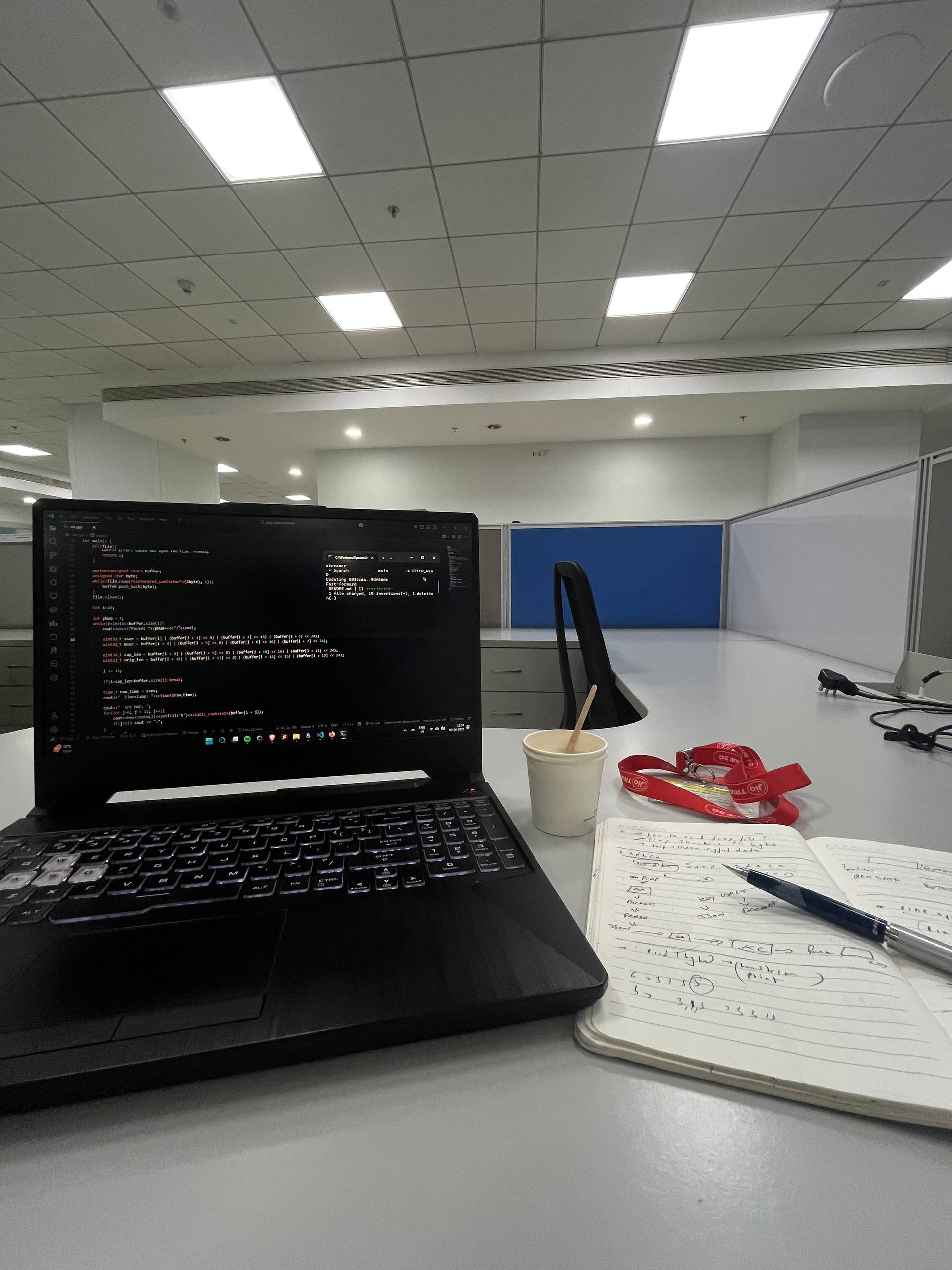
The environment made a big difference. Supportive mentors who were always willing to explain things from scratch, peers who would casually switch from discussing systems to solving codeforces and leetcode problems, and a setup where learning actually felt natural. Also, free beverages, and my cozy workspace definitely helped more than expected.
On a practical level, having Jio on my resume opened doors. It played a role in landing interview opportunities at places like Google and Visa, and more importantly, gave me the confidence to aim for roles in backend, system architecture and system-level engineering.
This internship didn’t just add a line to my resume. It gave me direction. Easily one of the best things that’s happened to me so far :)